


 Send Inquiry
Kater Compound Pendulum
Price 3350 INR/ Piece
MOQ : 1 , , Piece
Kater Compound Pendulum Specification
- Core Components
- Stainless Steel/Brass Pendulum Rod, Two Knife Edges, Adjustable Weights, Suspension Clamps
- Model No
- KCP-001
- Automation Grade
- Manual
- Temperature Range
- Ambient laboratory temperature (10°C to 40°C)
- Capacity
- Not Applicable (Pendulum Device)
- Feature
- High stability, Precision markings, Adjustable weights, Durable construction
- Frequency
- Adjustable by pivot position, typical oscillation frequency ~0.5-1 Hz
- Measurement Range
- Length: up to 1 meter; Time: as measured by external stopwatch
- Power Source
- Not Required (Manual Operation)
- Accuracy
- Up to ±0.05 cm for length; timing accuracy depends on stopwatch used
- Equipment Materials
- Stainless Steel Rod, Brass, Mild Steel Knife Edges, Heavy Metal Weights
- Type
- Kater Compound Pendulum, Laboratory Physics Instrument
- Usage
- Used for experimental determination of acceleration due to gravity (g) & moment of inertia studies
- Display Type
- Analog Scale (Graduated Meter)
- Dimension (L*W*H)
- Approx. 90 cm x 12 cm x 8 cm (rod length ~1 m)
- Weight
- Approx. 2-3 kg
- Maintenance
- Requires periodic cleaning and checking of pivots
- Finish
- Polished and anti-corrosive coated
- Graduated Scale
- Ruler calibrated in millimeters or centimeters
- Stand/Base Material
- Cast Iron with leveling screws
- Application Area
- School Labs, Colleges, University Physics Departments
- Safety Features
- Non-sharp knife edges, Secure weight locking
- Accessories Included
- Instruction manual, Screws and clamping tools
- Adjustable Weights
- Two sliding weights for center-of-mass adjustment
Kater Compound Pendulum Trade Information
- Minimum Order Quantity
- 1 , , Piece
- Main Export Market(s)
- Eastern Europe, South America, Western Europe, Africa, Central America, Australia, Middle East, Asia, North America
Kater Compound Pendulum About
Kater Compound Pendulum
Comprising un graduated steel bar 1200 x 10 mm with one pair each light and heavy masses, two steel knife edges set in adjustable metal holders and metal support bracket drilled for wall mounting.
Advanced Design and Construction
Built from cast iron with leveling screws and a polished, anti-corrosive coating, this pendulum offers reliability and longevity. Stainless steel and brass components, along with precision knife edges and heavy metal weights, ensure high stability and durable performance during repeated laboratory use.
Precision and Adjustability
Two sliding weights allow fine-tuning of the center of mass and oscillation frequency, crucial for accurate experimental results. The graduated ruler, calibrated in millimeters or centimeters, provides precise measurement of pendulum length, supporting studies on gravity and rotational inertia.
Safe and User-Friendly Operation
Non-sharp knife edges and secure weight locking mechanisms enhance safety during operation. The kit includes an instruction manual and required accessories, making it accessible for both students and instructors to set up and utilize confidently.
FAQs of Kater Compound Pendulum:
Q: How is the Kater Compound Pendulum set up and operated for experiments?
A: The pendulum is mounted on its cast iron stand with leveling screws to ensure stability. Adjustable sliding weights and knife edges are secured at desired positions using the provided screws and clamps. Length is measured with the graduated scale, and timing is recorded with an external stopwatch. Detailed setup steps are provided in the instruction manual.Q: What experimental studies can be performed with this pendulum in laboratory settings?
A: The instrument is mainly used for determining the acceleration due to gravity (g) and exploring moment of inertia concepts. By adjusting pivot positions and recording oscillation periods, users can analyze physical properties and validate theoretical models in physics.Q: When should maintenance be performed on the Kater Compound Pendulum?
A: Routine maintenance is recommended, including periodic cleaning of surfaces and careful inspection of pivot points to ensure optimal accuracy and longevity. This helps prevent buildup of dust and minimizes wear, especially if used frequently in classroom settings.Q: Where can the Kater Compound Pendulum be used effectively?
A: It is ideal for physics laboratories in schools, colleges, and universities across India. Its robust construction and precision features make it suitable for both teaching and advanced experimental research environments.Q: What safety features are incorporated into the Kater Compound Pendulum?
A: The device includes non-sharp knife edges, secure weight locking mechanisms, and comes with an instruction manual detailing safe handling procedures. These measures help safeguard users during setup, adjustment, and experimentation.Q: How does adjusting the weights impact the results obtained with the pendulum?
A: Changing the position of the sliding weights alters the center of mass and oscillation frequency, enabling more precise experimentation and analysis. This adjustability is key in measuring gravitational acceleration and studying rotational dynamics.Q: What are the main benefits of using this manual pendulum apparatus for gravity and inertia studies?
A: Its manual operation, precise graduations, and durable build provide reliable results without electrical power. The ability to finely adjust parameters makes it an excellent teaching tool, enhancing students hands-on understanding of physical laws.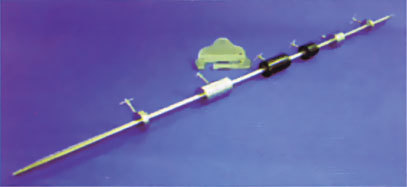
Tell us about your requirement

Price:
Quantity
Select Unit
- 50
- 100
- 200
- 250
- 500
- 1000+
Additional detail
Mobile number
Email

More Products in Physics Lab Instruments Category
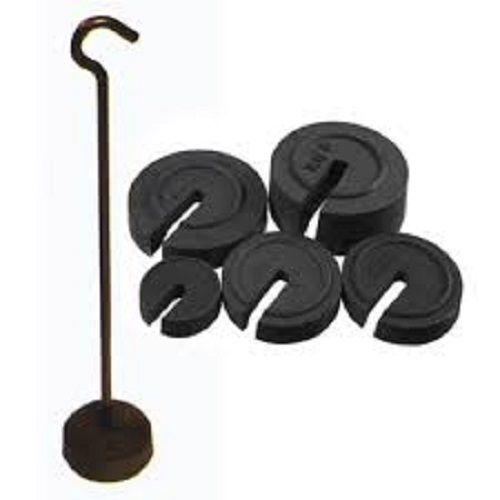
Slotted Weight Cast Iron Painted
Price 820 INR / Piece
Minimum Order Quantity : 1 Piece
Usage : Calibration, laboratory experiments, physics education
Capacity : 100 g to 2 kg (available in different weights: 100g, 200g, 500g, 1kg, 2kg)
Weight : As specified (e.g., 100 g, 200 g, 500 g, 1 kg, 2 kg per piece)
Dimension (L*W*H) : Varies per capacity; typically circular, diameter ranging from 4 cm to 10 cm (approx.)
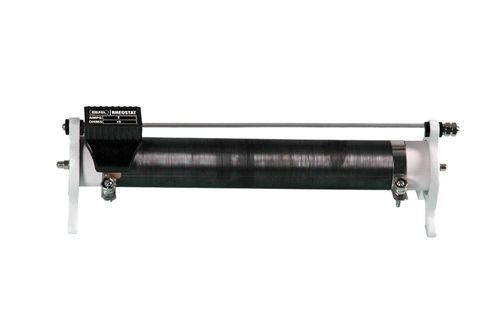
RHEOSTAT SLIDE WIRE
Price 690 INR / Piece
Minimum Order Quantity : 1 Piece
Usage : Variable resistance for lab experiments, current control
Capacity : 10 Ohm to 5000 Ohm (varies with model)
Weight : Approx. 500g to 2kg (depending on size)
Dimension (L*W*H) : Varies; typically 150mm x 50mm x 50mm
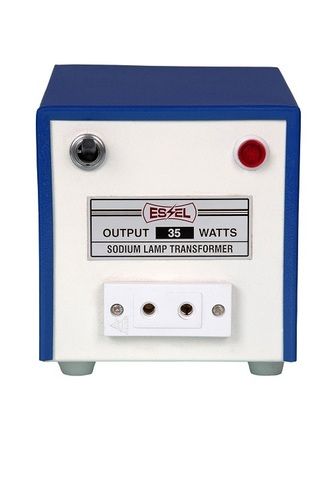
SODIUM VAPOUR LAMP TRANSFORMERS
Price 2150 INR / Piece
Minimum Order Quantity : 1 Piece
Usage : Ignition and efficient operation of Sodium Vapour Lamps
Capacity : Up to 400W (for standard Sodium Vapour Lamps)
Weight : Approx. 3.5 kg (varies with model ratings)
Dimension (L*W*H) : 180 mm x 100 mm x 105 mm (Standard size for 400W model)
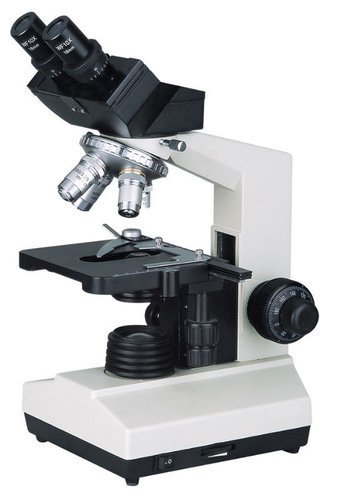
Binocular Microscope
Price 6300 INR / Piece
Minimum Order Quantity : 6300 Pieces
Usage : For Laboratory
Capacity : 1 Kg/hr
Weight : 2200 Kilograms (kg)
Dimension (L*W*H) : 12*10*8 Centimeter (cm)

Contact Details
ESEL INTERNATIONAL
GST : 06AAFFE3644R1Z0
GST : 06AAFFE3644R1Z0
Contact Details
- 62, Azad Nagar, RamPur Chowk, P.O Industrial Area, Ambala Cantt - 133001, Haryana, India
- Phone :08045478451
- Send Inquiry
 Send Inquiry
Key personnel
- Mr. Sumit (M.D.)
- Mobile :08045478451

 |
ESEL INTERNATIONAL
All Rights Reserved.(Terms of Use) Developed and Managed by Infocom Network Private Limited. |
