


 Send Inquiry
Raleigh Self Induction Bridge
Price 9000.0 INR/ Piece
MOQ : 1 Piece
Raleigh Self Induction Bridge Specification
- Output
- Direct indication of inductance value
- Input
- Test leads for connecting unknown inductor
- Product Type
- Raleigh Self Induction Bridge
- Usage
- Measurement of unknown self-inductance
- Efficiency
- High precision measurement, low losses
- Standard
- Raleigh Self Induction Bridge
- Insulation Material
- Bakelite/Phenolic (finely lacquered insulation)
- Power
- Passive, requires no external power
- Control Type
- Manual balancing with precision dials
- Accuracy
- ±0.5% of reading
- Voltage
- Up to 250V AC max (laboratory use)
- Size
- 18*12*3 inches
- Color
- Grey/Black
- Dimension (L*W*H)
- Inch (in)
- Weight
- 4.30 Kilograms (kg)
- Balance Detection
- Galvanometer-based null detector
- Mounting
- Table top, anti-skid feet
- Display Type
- Analog scale
- Bridge Type
- Four-arm Wheatstone-type
- Operating Temperature
- 0C to 45C
- Measuring Range
- 0.1 mH to 1000 mH
- Terminals
- Brass binding posts
- Finish
- Powder coated, corrosion resistant
- Applications
- Physics labs, electrical engineering education, R&D
Raleigh Self Induction Bridge Trade Information
- Minimum Order Quantity
- 1 Piece
- Payment Terms
- Cash in Advance (CID)
- Delivery Time
- 7 Days
- Sample Policy
- Sample costs shipping and taxes has to be paid by the buyer
- Main Export Market(s)
- Central America, North America, Asia, Australia, South America, Eastern Europe, Western Europe, Middle East, Africa
- Main Domestic Market
- All India
- Certifications
- ISO 9001:2015
Raleigh Self Induction Bridge About
The Raleigh Self Induction Bridge is a top-notch instrument engineered for high-precision measurement of unknown self-inductance within a range of 0.1 mH to 1000 mH. This featured four-arm Wheatstone-type bridge boasts a brilliant and robust design with a powder-coated, corrosion-resistant finish and anti-skid table-top mounting. Reduced measurement error is ensured through brass binding posts and a galvanometer-based null detector. Heroic in laboratory performance, it is completely passive and requires no external power. Enjoy precise, direct analog readings on a Grey/Black scaleideal for physics labs, electrical engineering education, and R&D.
Specialized Usage and How To Operate
The Raleigh Self Induction Bridge excels in quantifying unknown self-inductance for physics labs and electrical engineering studies. For usage, connect the unknown inductor using high-quality test leads to the brass binding posts. Place the instrument securely on a tabletop using the anti-skid feet, and adjust the manual precision dials until the galvanometer nulls. Its finished, lacquered bakelite surface ensures safe, long-term operation with superb insulation. This bridge is ideal for hands-on educational demonstrations and scientific research.
Supply Details, Delivery Options, and Sample Policy
Our Raleigh Self Induction Bridge boasts a high supply ability for education providers, exporters, and research facilities across India. Products are securely packaged to preserve condition during drop-off and transit, ensuring reliable valuation on receipt. Exchange policies are transparentsamples may be provided upon qualified request, subject to the current sample policy and stock availability. This approach assures top-notch service throughout the distribution process, enhancing customer confidence in the products reliability and readiness.
Specialized Usage and How To Operate
The Raleigh Self Induction Bridge excels in quantifying unknown self-inductance for physics labs and electrical engineering studies. For usage, connect the unknown inductor using high-quality test leads to the brass binding posts. Place the instrument securely on a tabletop using the anti-skid feet, and adjust the manual precision dials until the galvanometer nulls. Its finished, lacquered bakelite surface ensures safe, long-term operation with superb insulation. This bridge is ideal for hands-on educational demonstrations and scientific research.
Supply Details, Delivery Options, and Sample Policy
Our Raleigh Self Induction Bridge boasts a high supply ability for education providers, exporters, and research facilities across India. Products are securely packaged to preserve condition during drop-off and transit, ensuring reliable valuation on receipt. Exchange policies are transparentsamples may be provided upon qualified request, subject to the current sample policy and stock availability. This approach assures top-notch service throughout the distribution process, enhancing customer confidence in the products reliability and readiness.
FAQs of Raleigh Self Induction Bridge:
Q: How does the Raleigh Self Induction Bridge measure inductance?
A: The device employs a four-arm Wheatstone-type configuration, using a galvanometer-based null detector. By manually adjusting the balancing dials, users achieve a null balance, enabling direct analog reading of the unknown self-inductance.Q: What are the key benefits of using this bridge in a laboratory setting?
A: It provides high-precision measurement (0.5% accuracy) without external power. Its durable, corrosion-resistant build and passive operation make it ideal for repeated educational and R&D use, reducing operational errors and ensuring long-lasting performance.Q: Where should the Raleigh Self Induction Bridge be used for best results?
A: It is most effective on a stable, flat table in controlled environments such as physics labs, electrical engineering classrooms, or R&D centers, within the operating temperature range of 0C to 45C.Q: What is the recommended process for connecting test leads?
A: Connect the unknown inductor securely to the brass binding posts using insulated test leads. Ensure contacts are firm to prevent measurement inconsistencies and follow all laboratory safety protocols during use.Q: When is it appropriate to utilize this bridge in research activities?
A: This bridge should be utilized when precise measurement of self-inductance is needed, such as during component quality assurance, validating electrical circuits, or when demonstrating electromagnetic concepts in academic or professional research settings.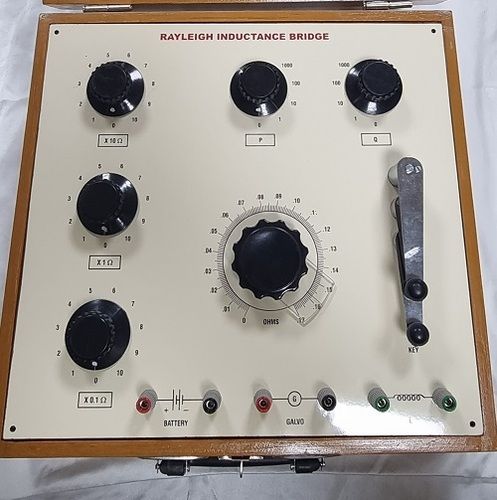
Tell us about your requirement

Price:
Quantity
Select Unit
- 50
- 100
- 200
- 250
- 500
- 1000+
Additional detail
Mobile number
Email

More Products in Electronic Measuring Instrument Category
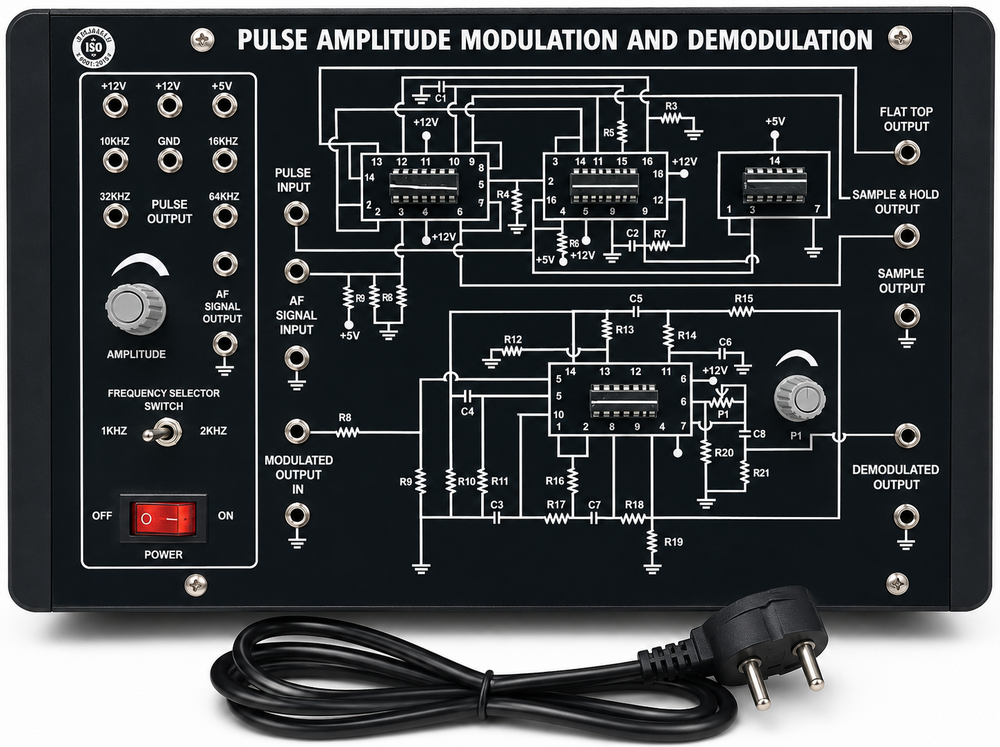
Pulse Amplitude Modulation Demodulation
Price 11200 INR / Piece
Minimum Order Quantity : 1 Piece
Size : Compact Table Top
Standard : Educational/Industrial Lab Standard
Product Type : Trainer Kit
Color : Multicolor (as per image Green, Red, Black)
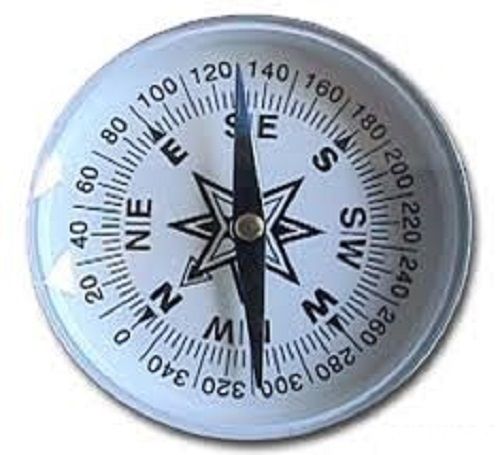
Magnetic Compass
Price 30 INR / Piece
Minimum Order Quantity : 1 Piece
Size : Pocketsized
Standard : IS 3327:1982
Product Type : Magnetic Compass
Color : Silver/Black
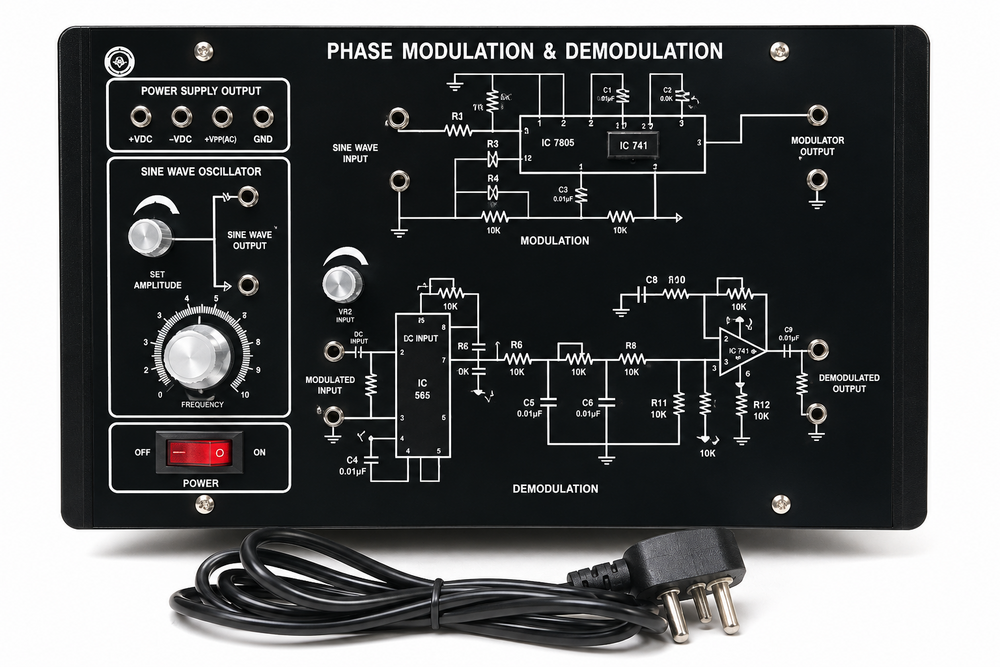
Phase Modulation Demodulation
Price 12200.0 INR / Piece
Minimum Order Quantity : 1 Piece
Size : 10*6*4 INCHES
Standard : Phase Modulation Demodulation
Product Type : Phase Modulation Demodulation
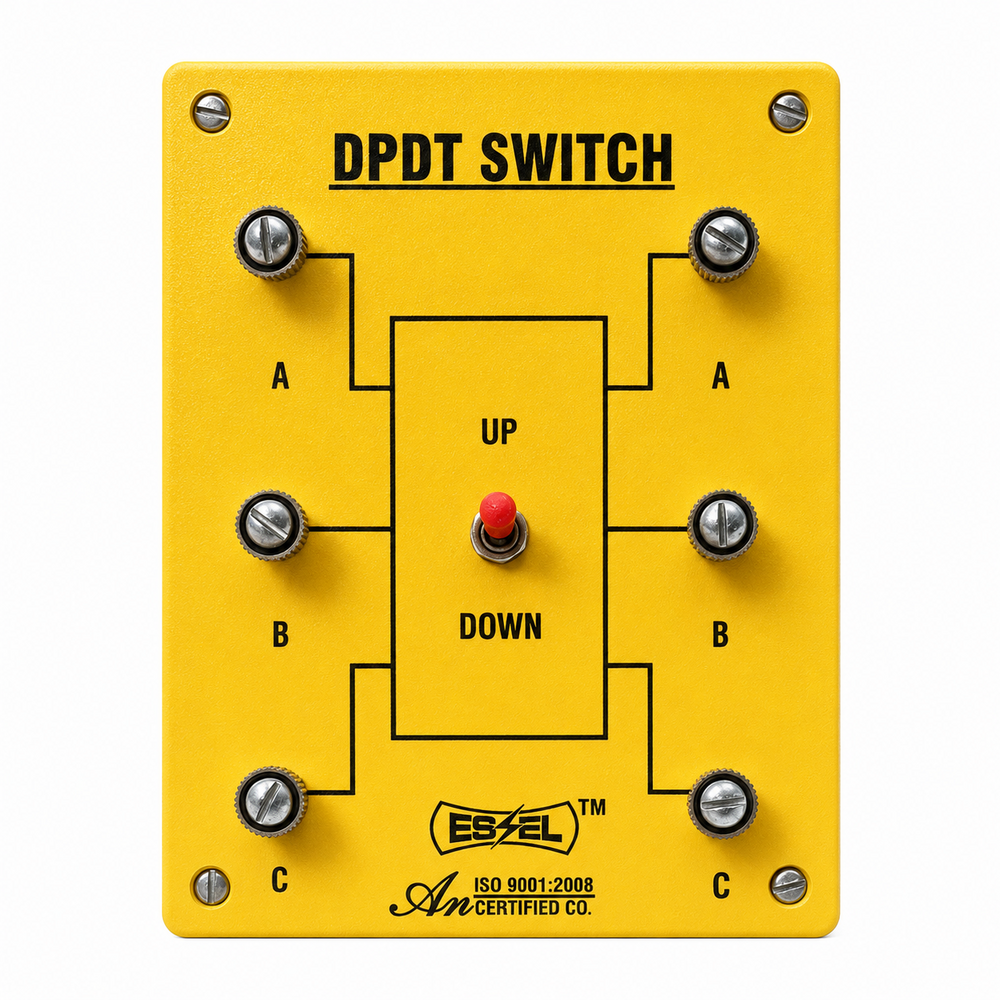
Double Pole Double Throw Dpdt
Price 480.0 INR / Piece
Minimum Order Quantity : 1 Piece
Size : 4*5*2 INCHES
Standard : Double Pole Double Throw Dpdt
Product Type : Double Pole Double Throw Dpdt

Contact Details
ESEL INTERNATIONAL
GST : 06AAFFE3644R1Z0
GST : 06AAFFE3644R1Z0
Contact Details
- 62, Azad Nagar, RamPur Chowk, P.O Industrial Area, Ambala Cantt - 133001, Haryana, India
- Phone :08045478451
- Send Inquiry
 Send Inquiry
Key personnel
- Mr. Sumit (M.D.)
- Mobile :08045478451

 |
ESEL INTERNATIONAL
All Rights Reserved.(Terms of Use) Developed and Managed by Infocom Network Private Limited. |
