


 Send Inquiry
Operational Amplifier as Inverting & Non-Inverting
Price 5550 INR/ Piece
MOQ : 1 Piece
Operational Amplifier as Inverting & Non-Inverting Specification
- Equipment Materials
- Iron & Bakelite
- Usage
- For Laboratory
- Capacity
- 1 Kg/hr
- Temperature Range
- 10-40 0C Celsius (oC)
- Display Type
- Analog
- Dimension (L*W*H)
- 12*10*6 Centimeter (cm)
- Weight
- 2100 Kilograms (kg)
Operational Amplifier as Inverting & Non-Inverting Trade Information
- Minimum Order Quantity
- 1 Piece
- FOB Port
- ambala cantt
- Payment Terms
- Cash in Advance (CID)
- Supply Ability
- 1 Piece Per Week
- Delivery Time
- 1 Days
- Sample Policy
- Sample costs shipping and taxes has to be paid by the buyer
- Packaging Details
- Each Piece
- Main Export Market(s)
- Africa, Asia
- Main Domestic Market
- All India
- Certifications
- ISO 9001..2015/CE
Operational Amplifier as Inverting & Non-Inverting About
Operational Amplifier as Inverting & Non-Inverting :
Instrument Comprises of DC Regulated Power Supplies, Circuit diagram is printed on panel & different Resistance can be connected externally for various observation.
Versatile Laboratory Performance
Suitable for both inverting and non-inverting configurations, this operational amplifier is ideal for practical experiments, circuit analysis, and demonstrations. Its robust build using iron and bakelite ensures stability and longevity in the laboratory environment, supporting diverse research and educational projects.
Precision and Safety in Operation
Operating within the temperature range of 10-40C, this device maintains consistent performance and safeguards against thermal fluctuations. The analog display offers clear measurements, making experimental procedures efficient and reliable for laboratory personnel.
FAQs of Operational Amplifier as Inverting & Non-Inverting:
Q: How does the operational amplifier function in both inverting and non-inverting configurations?
A: This amplifier can be set up as either an inverting or non-inverting circuit, depending on the laboratory experiment requirements. Switching between configurations allows users to explore different signal processing techniques and gain characteristics in controlled environments.Q: What materials are used in the construction of this laboratory equipment?
A: The operational amplifier unit is built using iron and bakelite, which provide durability, resistance to corrosion, and electrical insulation. This guarantees long-term stability during laboratory usage.Q: When is it advisable to use this operational amplifier in laboratory settings?
A: This device is optimal for experiments, educational demonstrations, and circuit simulations that require reliable amplification and signal processing. The operational temperature range (10-40C) supports usage throughout the year in controlled lab environments.Q: Where can this operational amplifier be sourced from?
A: It is manufactured, supplied, and exported from India, making it accessible worldwide for laboratories seeking high-quality amplification equipment.Q: What is the process for setting up and operating this equipment in the lab?
A: Installation involves positioning the device within its specified dimensions and connecting it to the desired circuit. The analog display assists users in monitoring performance, ensuring correct setup for both inverting and non-inverting applications.Q: How does using this amplifier benefit laboratory research and teaching?
A: It provides reliable signal amplification and clear analog readouts, which are essential for accurate data analysis and demonstration. The robust iron and bakelite construction enhances safety and device longevity, adding value to laboratory operations.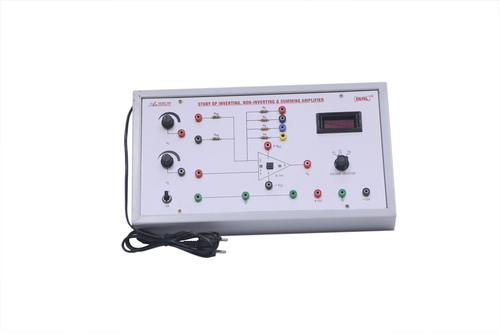
Tell us about your requirement

Price:
Quantity
Select Unit
- 50
- 100
- 200
- 250
- 500
- 1000+
Additional detail
Mobile number
Email

More Products in Physics Lab Instruments Category
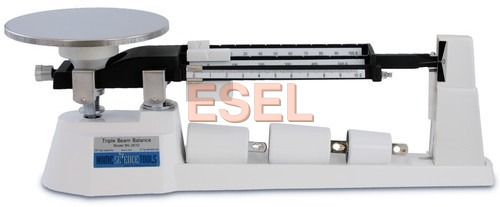
FOUR BEAM BALANCE SINGLE PAN
Price 1000 INR / Unit
Minimum Order Quantity : 1 Unit
Weight : Approx. 2.5 kg
Equipment Materials : Stainless steel pan, metal body
Dimension (L*W*H) : 360 x 125 x 150 mm
Usage : Laboratory weight measurement
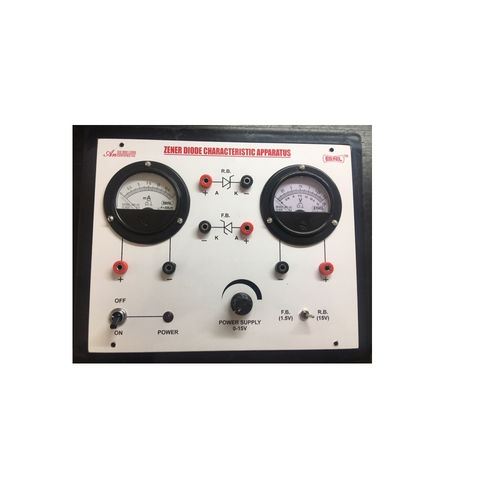
ZENER DIODE CHARACTERISTICS APPARATUS
Price 2700 INR / Piece
Minimum Order Quantity : 1 Piece
Weight : Approx. 23 kg
Equipment Materials : IRON
Dimension (L*W*H) : 300 mm x 200 mm x 100 mm
Usage : Laboratory Experimentation for Zener Diode Characteristics
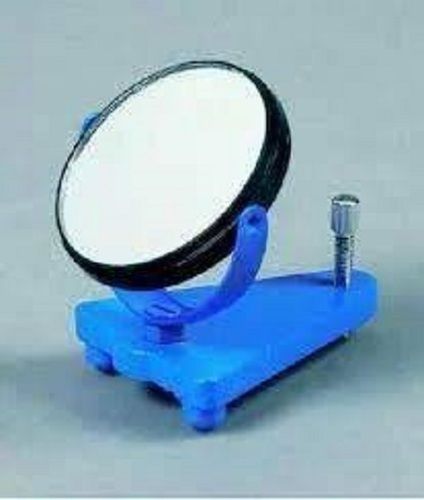
OPTIVAL LEVER
Price 850.00 INR / Piece
Minimum Order Quantity : 1 Piece
Weight : 500 Grams (g)
Equipment Materials : Iron & Bakelite
Dimension (L*W*H) : 7*5*3 Inch (in)
Usage : IN LABORATORY
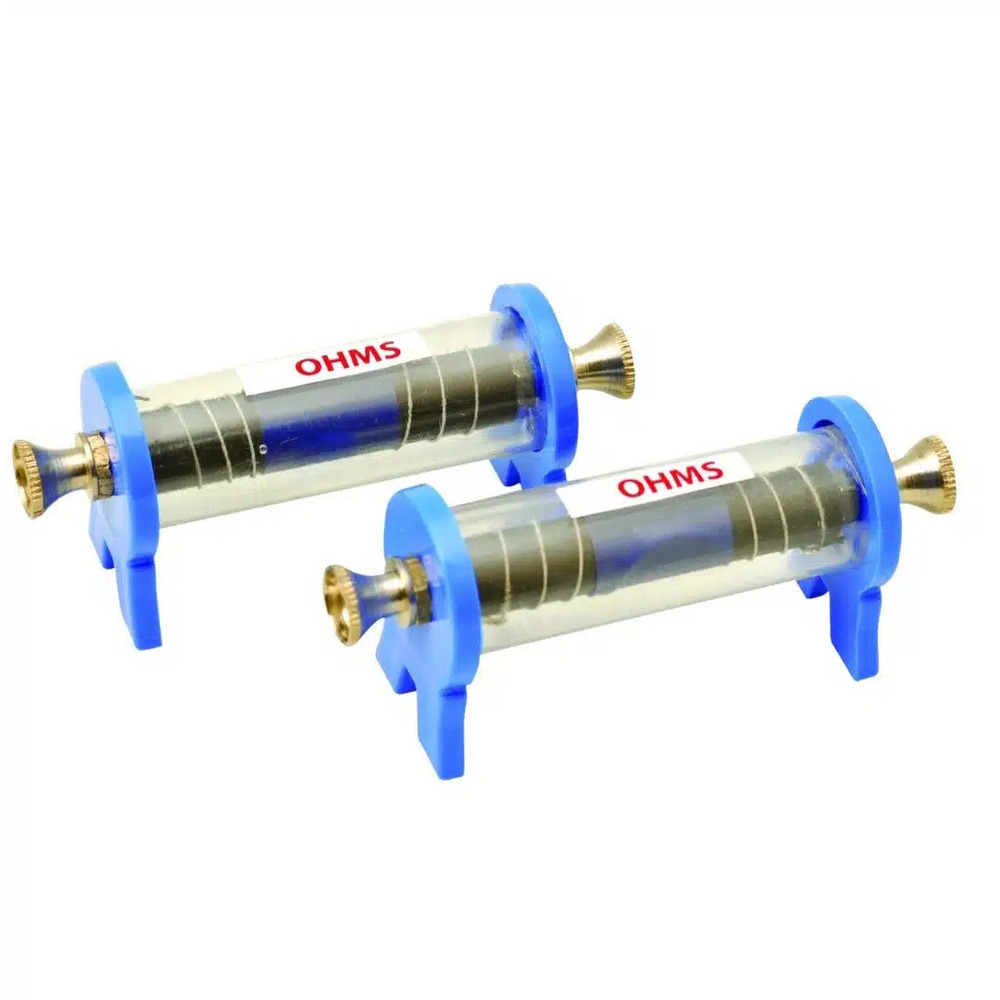
Resistance Coil Equipment
Price 265 INR / Piece
Minimum Order Quantity : 100 Pieces
Weight : 500 Kilograms (kg)
Equipment Materials : Plastic
Dimension (L*W*H) : 5*4*4 Centimeter (cm)
Usage : For Laboratory

Contact Details
ESEL INTERNATIONAL
GST : 06AAFFE3644R1Z0
GST : 06AAFFE3644R1Z0
Contact Details
- 62, Azad Nagar, RamPur Chowk, P.O Industrial Area, Ambala Cantt - 133001, Haryana, India
- Phone :08045478451
- Send Inquiry
 Send Inquiry
Key personnel
- Mr. Sumit (M.D.)
- Mobile :08045478451

 |
ESEL INTERNATIONAL
All Rights Reserved.(Terms of Use) Developed and Managed by Infocom Network Private Limited. |
